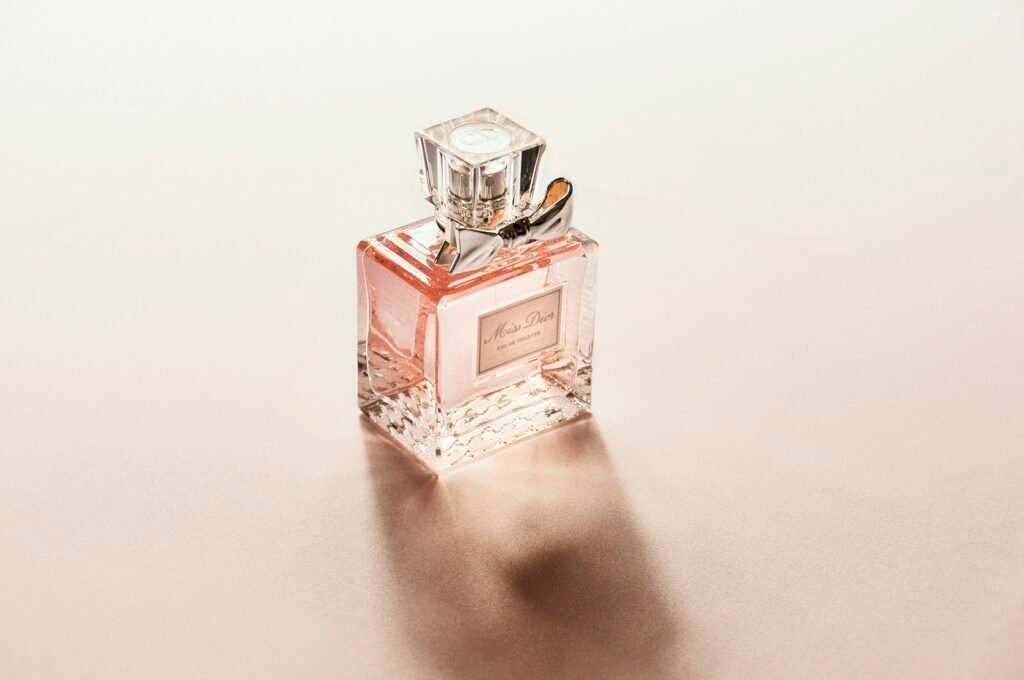
For most of the last century, wearing a “signature scent” meant picking one perfume and sticking with it for decades. That idea is quietly falling apart. Heading into 2026, fragrance forecasters are naming “fragrance layering” — deliberately combining two or more scents into a personal blend — as one of the defining wellness and beauty trends of the year, and the momentum behind it says more about identity than it does about smell.
What fragrance layering actually is
The technique itself isn’t new — perfumers have layered notes for as long as perfume has existed. What’s changed is who’s doing it and why. Instead of buying one finished perfume and wearing it as-is, people are combining a base fragrance with a complementary oil, a second perfume, or a scented body product, building a blend that’s theirs alone rather than identical to everyone else who bought the same bottle. It’s less “which perfume do I own” and more “what combination do I wear today.”
Why it’s spreading through TikTok and indie fragrance communities
Fragrance content has become a genuine subculture online, and layering is its most creative expression — a “recipe” you can film, share, and get credit for, the same way a food influencer shares a dish. Independent and niche fragrance brands, without the budget to compete with legacy perfume houses on mass marketing, have leaned into this directly: many now formulate scents specifically designed to layer well with others, rather than to stand alone. That’s a meaningfully different design brief, and it’s reshaping how smaller fragrance brands position new releases.
The wellness angle: scent as self-expression, not just scent
What puts fragrance layering on a *wellness* trends list rather than just a beauty one is the framing forecasters are using: scent as an act of identity-building, not vanity. Choosing and combining a fragrance has become something closer to picking an outfit — a small, daily, creative decision that people describe as mood-setting rather than purely aesthetic. That mirrors a broader pattern across 2026’s wellness trends: self-care framed less around fixing something and more around expressing something.
Where AI and smart tech fit in
Forecasters are also pointing to early AI-assisted and smart fragrance tools designed to help people build layered scents more deliberately — recommending pairings based on notes someone already likes, or adjusting a blend by season or time of day. It’s a small corner of the broader AI-in-consumer-products wave, but it fits a pattern: as more categories get “layering” as a concept, expect more tools built specifically to help people do it well rather than by trial and error.
How to actually try it
The easiest entry point is layering a scented body oil or lotion underneath a normal perfume, since the skin-level layer acts as a base note that shifts how the perfume reads over the following hours. From there, people experimenting more seriously often keep a small fragrance layering set on hand — a few complementary oils or minis specifically meant to be mixed rather than worn alone. It costs far less than building a full perfume collection, and the entire point is that there’s no wrong combination, only one that’s distinctly yours.
As an Amazon Associate, TrendScope earns from qualifying purchases made through links in this article.