Wellness & Lifestyle
By TrendScope Daily Team · November 17, 2026
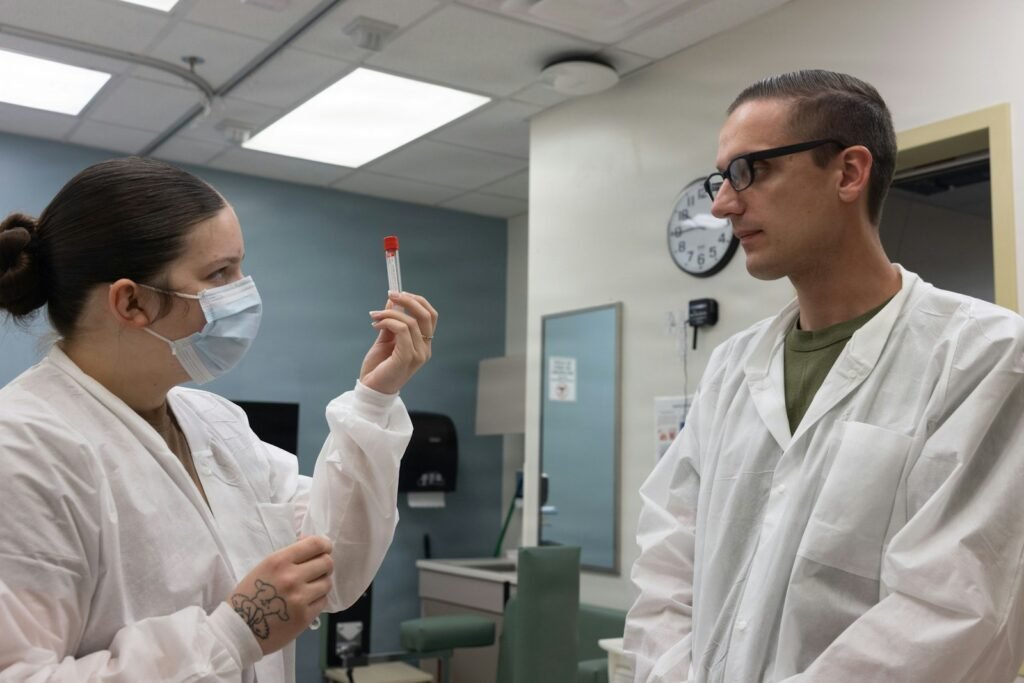
Hormone mapping is the trend of paying a boutique clinic ₹20,000–60,000 for a wide panel of blood tests — cortisol, thyroid, insulin, oestrogen and progesterone among them — sold as a way to “optimise” how you feel rather than to diagnose a specific illness. It’s spreading fast among stressed urban professionals in Mumbai, Delhi, Hyderabad and Bengaluru. Doctors broadly welcome targeted hormone testing when symptoms warrant it, but are far more cautious about these broad, repeat panels.
What’s actually being tested
Clinics offering hormone mapping typically bundle together several categories of blood work: cortisol panels (the stress hormone), insulin resistance screening, reproductive hormones such as oestrogen and progesterone, and thyroid or broader metabolic screening. The pitch is usually aimed at people — especially women in their 20s and 30s — dealing with fatigue, weight changes, mood swings or poor sleep, symptoms that get framed as signs of an underlying “hormonal imbalance” worth mapping out in detail.
Why it’s trending now
A few things are converging to make this trend take off in Indian metros this year: chronic urban stress from long commutes and work that spills into late nights; a wider biohacking culture built around wearables that quantify sleep and heart rate; the normalising of “hormonal imbalance” as a catch-all online explanation for everything from irregular periods to acne; and genuine anxiety around fertility and career timelines that makes people want a measurable answer for how they feel.
Clinics have built a business model around that demand — many don’t just run the tests once. They bundle results with diet charts, follow-up consultations and ongoing supplement protocols — vitamin stacks, “cortisol blockers,” adaptogens and hormone creams — so the model looks closer to a recurring subscription than a one-time check-up.
“Cortisol is dynamic. Without proper timing and clinical context, a standalone reading doesn’t tell us very much.”
— Dr. Meena Chakraborthy, endocrinologist
What the evidence actually supports
Endocrinologists draw a sharp line between targeted testing and these broad panels. Screening for PCOS, thyroid disorders or diabetes has strong medical backing — when a patient’s symptoms or history actually point that way. A standalone cortisol or oestrogen reading taken without that clinical context, on the other hand, is much harder to interpret, because these hormones fluctuate naturally through the day and across a menstrual cycle. Doctors also warn that broad panels run on healthy people tend to throw up false positives, which can lead to unnecessary anxiety and unneeded supplements.
| What’s tested | What it’s meant to show | Doctors’ caution |
|---|---|---|
| Cortisol panel | Stress hormone levels | Fluctuates through the day; a single reading needs timing and context to mean much |
| Insulin resistance screen | Early metabolic risk | Medically backed when there’s a clinical reason to check (family history, symptoms) |
| Oestrogen & progesterone | Reproductive hormone balance | Varies naturally across the menstrual cycle; isolated numbers are easy to misread |
| Thyroid panel | Thyroid function | Well-established test, most useful when symptoms or risk factors are already present |
As one wellness expert quoted in coverage of the trend put it, the bigger risk may be cultural as much as clinical: “We must be careful not to pathologise modern life.” Ordinary tiredness, stress and burnout don’t always need a lab test to explain them — sometimes the fix is sleep, workload and routine, not a ₹40,000 panel.
A lower-cost way to track the basics
Before paying for a broad hormone panel, it’s worth checking the basics that drive a lot of the symptoms people blame on “hormonal imbalance” — sleep quality, resting heart rate and daily activity. This overlaps with other wellness trends we’ve covered, from the HYROX fitness craze to fibremaxxing and getting India’s own ICMR protein numbers right. A basic fitness tracker that logs sleep and resting heart rate costs a fraction of one hormone-mapping session and gives you everyday data to discuss with a doctor if something does look off.
As an Amazon Associate, TrendScope Daily earns from qualifying purchases made through links in this article.
This article is for general information and is not medical advice. Please consult a qualified doctor about your own health.
Sources: Clinic and expert details via Deccan Chronicle.
Quick questions
What is hormone mapping?
A trend where clinics run a wide blood panel covering cortisol, thyroid, insulin and reproductive hormones, typically bundled with diet plans and ongoing supplements, aimed at ‘optimising’ how you feel rather than diagnosing a specific condition.
Is hormone mapping backed by medical evidence?
Targeted hormone testing is well-supported when a doctor has a specific clinical reason to order it. Broad, repeat panels on people without clear symptoms are viewed more cautiously by endocrinologists, who warn of false positives and misread single readings.
How much does hormone mapping cost in India?
Clinics in cities like Mumbai, Delhi, Hyderabad and Bengaluru typically charge between ₹20,000 and ₹60,000 per package, often including follow-up consultations and supplement protocols.
Related on TrendScope Daily
- What Is HYROX? India’s Sold-Out Fitness Race Craze
- What Is Fibremaxxing? India’s New High-Fibre Wellness Trend
- How Much Protein Do You Actually Need? ICMR’s Numbers
- More Wellness & Lifestyle stories: browse the Wellness & Lifestyle section
- All our health explainers: Health Explained hub
- Today’s full roundup: Trending Today in India: November 17, 2026