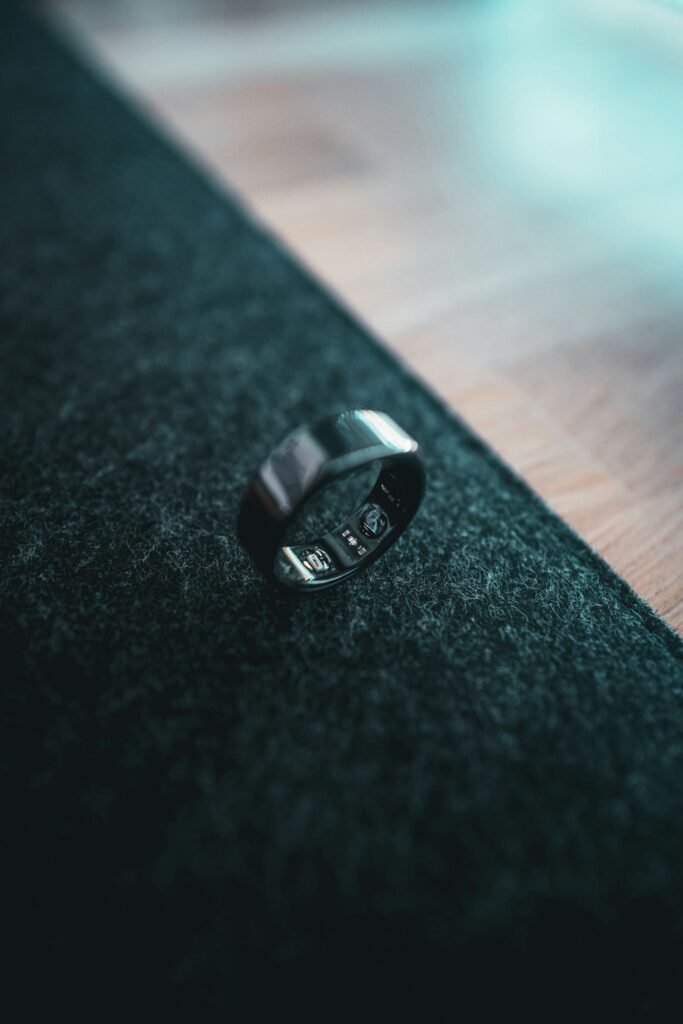

Somewhere in the last few years, tracking your own biology quietly became one of the biggest categories in consumer tech. The numbers from this year alone make the case: WHOOP raised $575 million at a $10 billion valuation, Oura crossed 5 million members and filed for an IPO, and Google shipped a subscription-free, screenless Fitbit aimed squarely at people who just want the data without the extra app fees. Wearable health tech isn’t a niche anymore — it’s where a meaningful share of wellness spending is actually going.
The money says this is not a fad
Venture and public markets tend to be a decent lagging indicator of what’s actually sticking with consumers, and the self-health category has been raising money at a pace that outstrips almost every other corner of wellness. Eight Sleep, the smart mattress company, reached a $1.5 billion valuation on the strength of predictive AI features that adjust temperature and firmness before you even wake up uncomfortable. Function Health acquired SuppCo and Getlabs to combine supplement tracking with at-home bloodwork. None of this reads like companies betting on a short-term trend — it reads like infrastructure being built for a category that’s expected to keep growing.
AI is starting to read the data, not just collect it
The next phase of this trend isn’t more sensors — it’s software that actually interprets what all the sensors are recording. Both OpenAI and Microsoft have moved into this space this year with ChatGPT Health and Copilot Health respectively, AI tools designed to help make sense of the sleep scores, heart rate variability, and recovery metrics that wearables have been quietly accumulating for years. For most people, a wearable’s biggest limitation was never the data itself — it was knowing what to actually do with a “72% recovery” score. That’s the gap these AI health agents are aiming to close.
Wearables are showing up in unexpected places
Perhaps the clearest sign of how mainstream this has become: gym chains are starting to build wearable data directly into membership. Equinox, Life Time, and Monarch are all piloting “gym-as-clinic” models that combine GLP-1 guidance with VO2 max testing and DEXA body composition scans — services that used to require a separate clinical visit, now bundled with a gym membership and, increasingly, informed by whatever your wearable has already been tracking. Midi Health, which raised $100 million this year, expanded specifically into menopause care and skincare, treating wearable-informed health data as a starting point for a broader care relationship rather than an end in itself.
The trade-off nobody’s fully solved yet
None of this comes free of a genuine question: these devices work by continuously collecting some of the most intimate data that exists about a person — heart rate, sleep patterns, temperature, in some cases blood oxygen and cycle tracking. As AI health agents start interpreting that data and companies keep merging (peptide platforms, bloodwork startups, and wearable makers are all increasingly owned by the same handful of parent companies), the practical question shifts from “does this wearable work” to “who else sees this, and what happens to it over the ten years I might wear one.” It’s not a reason to avoid the category, but it’s worth reading the privacy policy before strapping on anything that tracks you while you sleep.
Where to actually start
For anyone curious but overwhelmed by the options, the category has genuinely matured enough that you don’t need to guess: a smart ring health tracker is the lowest-friction entry point for most people — no charging every night like a smartwatch, no screen to check obsessively, just sleep and recovery data waiting for you in the morning. Whether that data changes anything about how you actually live is still, as always, up to you rather than the ring.
As an Amazon Associate, TrendScope earns from qualifying purchases made through links in this article.