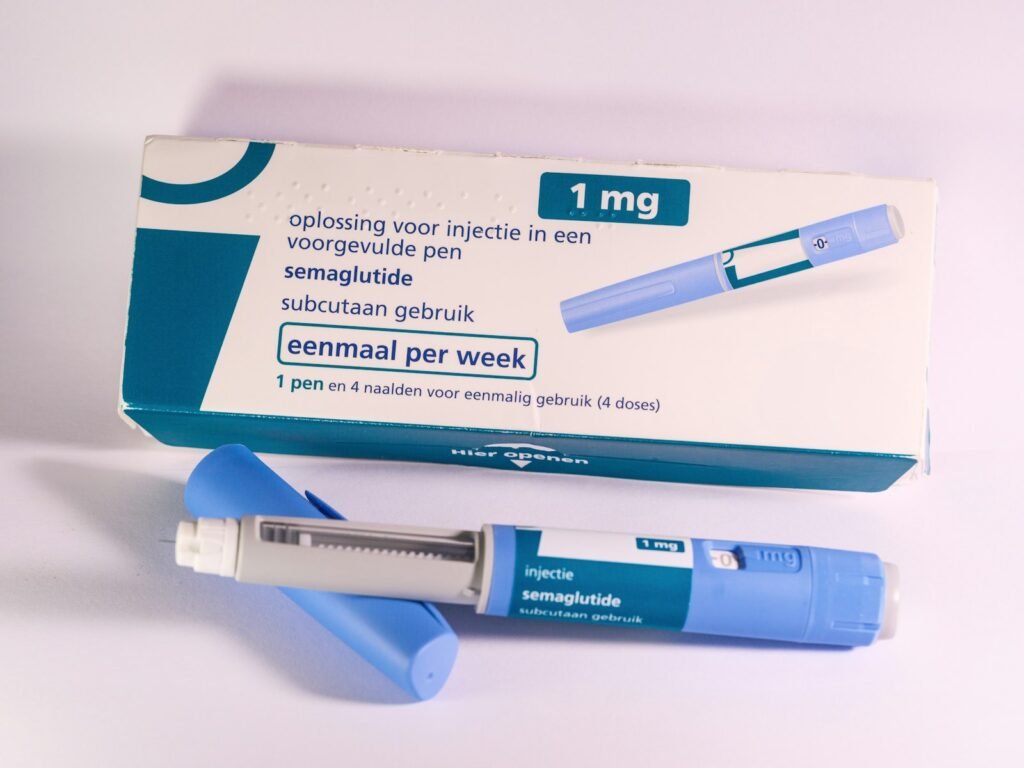
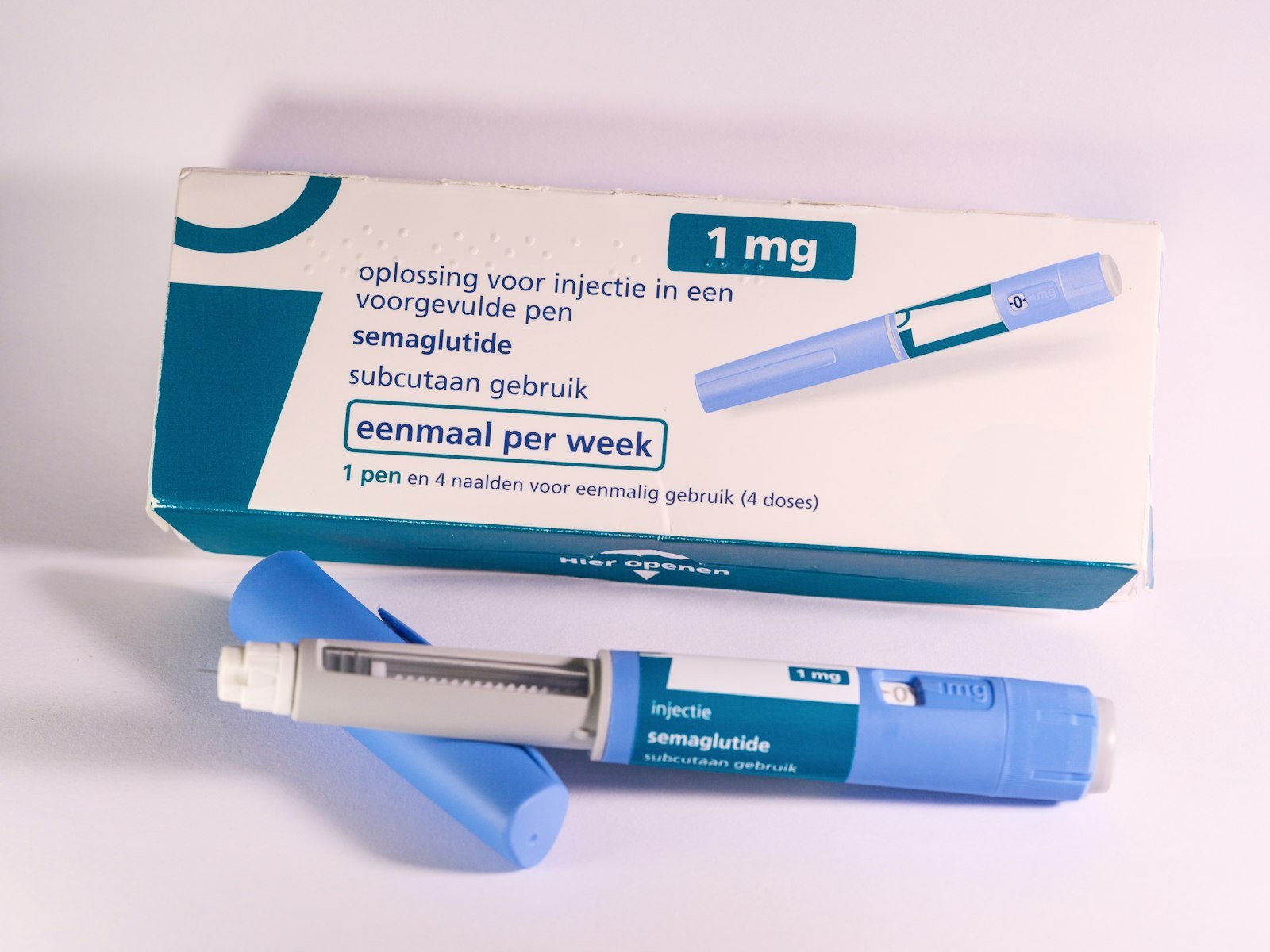
A STAT News investigation published September 28 laid out something anyone paying attention to television ads or pharmacy shelves has probably sensed for months: the companies selling GLP-1 weight-loss drugs have stopped talking like drugmakers and started talking like consumer brands. Novo Nordisk and Eli Lilly, the two companies that turned semaglutide and tirzepatide into some of the best-selling drugs in history, are swapping clinical language for the vocabulary of beauty and wellness marketing — “patients” become “customers,” “anti-obesity medicine” becomes simply “weight loss drug,” and campaign slogans lean on phrases like “live lighter” rather than anything resembling a prescribing label. It’s a shift that’s been building in public for most of 2026, and it’s now reshaping how tens of millions of people encounter these drugs in the first place.
A Company Drops Its Own Name
The clearest signal came on September 14, when Novo Nordisk announced it was simplifying its public-facing name to just “Novo.” The legal corporate name hasn’t changed, but the branding has — a move CEO Mike Doustdar called “strategically important” as the company tries to close a market-share gap with Eli Lilly, which by the company’s own accounting now holds roughly 60% of the obesity-drug market to Novo’s 38%. Doustdar framed the shift in distinctly consumer-facing terms, saying healthcare needs to become “more responsive, relevant and easier to fit into everyday life.” The company promised more detail at its Capital Markets Day on September 21. Dropping “Nordisk” — a name tied to the company’s century-old Danish insulin heritage — is a small edit on paper, but it’s a deliberate step away from sounding like a pharmaceutical institution and toward sounding like a brand people choose.
From “Patients” to “Customers”
STAT’s reporting, headlined “Once described as obesity medicines for ‘patients,’ GLP-1s are increasingly lifestyle drugs for ‘customers,'” documented how that vocabulary shift shows up across marketing materials, investor language, and company websites. The distinction isn’t just semantic. A “patient” implies a medical relationship — a diagnosis, a doctor, a treatment plan. A “customer” implies a purchase decision, closer to how a company markets a subscription service or a skincare line. That framing matters for drugs that, however effective, come with real gastrointestinal side effects, require ongoing use to maintain results, and now reach a market wide enough that manufacturers see room to sell them the way they’d sell anything else people want rather than something they medically need.
The Ad That Triggered an FDA Warning
The lifestyle pivot ran into regulatory trouble almost immediately. Novo’s “Live Lighter” commercial — showing people at a roller rink, a carnival, and a food truck — aired during the Golden Globe Awards in January, promoting the newly launched Wegovy pill. On February 5, the FDA sent Novo an untitled letter objecting to the ad’s implication that the pill was superior to other approved GLP-1 treatments. “FDA is not aware of data to support the implication that Wegovy, in pill form, is superior to other currently approved GLP-1 treatments for weight loss in terms of efficacy and/or safety,” the agency wrote, singling out phrases like “live lighter” and “a way forward” as suggesting emotional and safety benefits the company hadn’t proven. Novo had 15 working days to respond and said it was committed to “accurate, balanced” advertising — but the episode showed how quickly aspirational, lifestyle-coded language can cross into territory regulators consider misleading for a prescription drug.
A Super Bowl Stage and a Copycat Problem
Undeterred, Novo returned with a 90-second Super Bowl commercial — reportedly costing up to $10 million per 30 seconds of airtime — starring Kenan Thompson, DJ Khaled, Danielle Brooks, and John C. Reilly, built around the goal of normalizing “taking a pill to make life easier.” More than half of the spot was, by regulatory necessity, devoted to side-effect disclosures, a reminder of the tension between lifestyle-brand ambitions and the disclosure requirements that come with selling an actual medication. The timing wasn’t accidental: Hims & Hers had just begun marketing a compounded semaglutide pill claiming “the same active ingredient as Wegovy pill,” and Novo’s ad leaned hard on FDA approval and clinical testing to distinguish its product from the compounded alternative — a distinction plenty of consumers still find confusing.
Undercutting the Competition on Price
The branding fight has a pricing fight running underneath it. Eli Lilly cut Zepbound prices for cash-paying customers on its direct-to-consumer LillyDirect platform, dropping single-dose vials from $349 to $299 a month and its 5mg dose from $499 to $399, with other approved doses set at $449. Novo’s oral Wegovy pill, meanwhile, launched broadly in January across more than 70,000 U.S. pharmacies starting at $149 a month, with some insured patients paying as little as $25 through savings programs — pricing built to look less like a specialty pharmaceutical and more like a subscription a middle-class household might actually budget for. Both companies have also floated capped Medicare pricing, with Lilly targeting $50 a month for its multi-dose pens pending FDA approval.
What Gets Lost in the Glow-Up
None of this erases what these drugs actually are: GLP-1 medications with documented efficacy, real side effects, and clinical trial data behind their approvals, not lifestyle products in the way a skincare serum or a supplement is. The marketing shift matters because it changes the frame through which tens of millions of people first encounter a prescription drug — as an aspirational purchase rather than a medical decision made with a doctor. The FDA’s pushback on “Live Lighter” is a preview of a tension that’s likely to keep resurfacing as Novo and Lilly compete for the same customers: the more these companies sound like beauty brands, the harder regulators are likely to look at whether the marketing still tells the truth about what the drug can and can’t do.