Following wearable health tech’s biggest year yet, the health and wellness floor at CES 2026 was its own small city: thousands of square feet of smart rings, recovery pods, sleep gadgets and connected scales, almost all promising to decode your body in ways a mirror and a bathroom scale never could. Most of it was forgettable — incremental hardware updates dressed up as breakthroughs. But a handful of products cut through because they solved a real, specific problem rather than chasing a buzzword, and because the companies behind them were willing to publish actual numbers instead of vague wellness promises.
We dug into six of the most talked-about health gadgets from the show, verifying what each one actually does, who makes it, and what it costs, so you can tell the genuinely useful entries from the ones built mostly for a press release. The range is wide — from a $169 smartwatch to a $12,000 massage chair — but the throughline is the same across nearly all of them: more precise measurement, delivered faster and with less friction than the previous generation.
Amazfit Active Max Smartwatch: Flagship Specs Without the Flagship Price
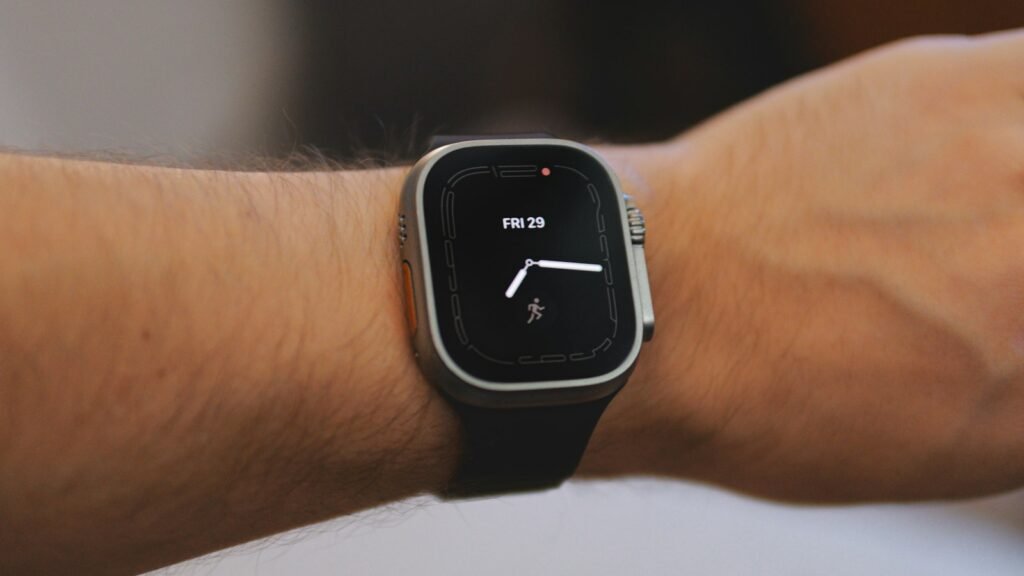
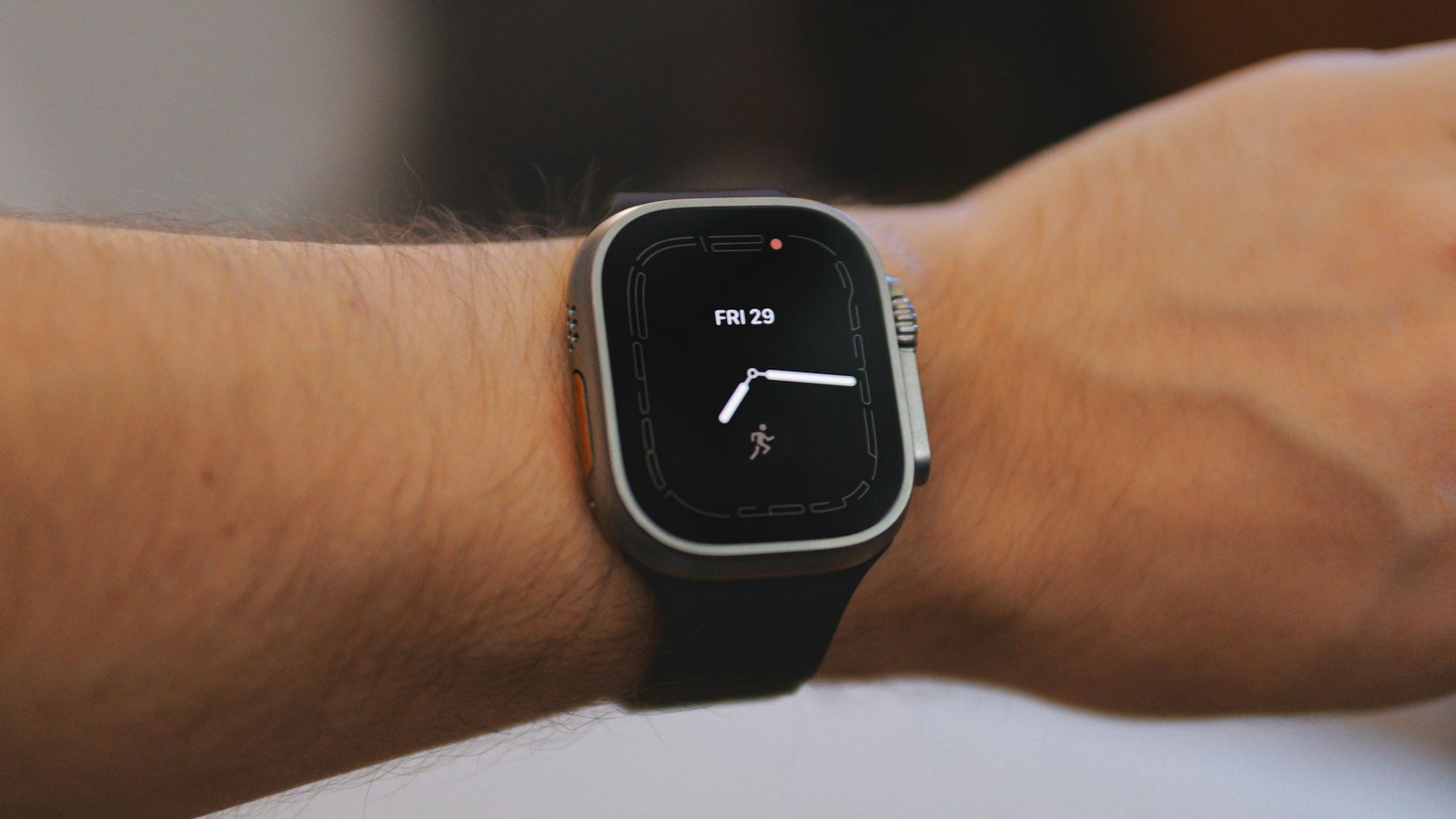
The Amazfit Active Max Smartwatch, from Zepp Health’s Amazfit brand, was one of the clearest value stories on the floor. It starts at $169.99 and pairs a 1.5-inch AMOLED display hitting 3,000 nits of peak brightness — bright enough to rival Apple’s $799 Watch Ultra 3 in direct sunlight — with an aluminum alloy case that comes in at 48.55mm and under 40 grams. Reviewers who went hands-on at the show, including Tom’s Guide, singled out the watch’s outdoor usability and the fact that it doesn’t feel like a budget compromise next to watches costing four times as much.
Battery life is the bigger story: Amazfit rates the Active Max at up to 25 days of typical use, and reviewers testing continuous GPS tracking still got roughly 64 hours out of it — numbers that put it well ahead of most mainstream smartwatches, which tend to measure battery life in days rather than weeks. Health tracking runs through Amazfit’s BioTracker sensor, covering continuous heart rate, blood oxygen (SpO2), and stress levels; it’s worth noting the watch does not include an ECG sensor, despite some early coverage suggesting otherwise. What it does offer is Zepp Coach, an AI system that builds adaptive training plans based on performance, recovery, and stress data, plus more than 170 workout modes, 4GB of onboard storage for offline maps and podcasts, and automatic rep detection for strength training. For anyone who wants serious battery life and training tools without flagship pricing, it’s an easy recommendation.
Shokz OpenFit Pro: Open Ears, Quieter World
Open-ear earbuds have always made a trade-off: you keep your ears open to the world, which is great for situational awareness on a run but terrible when you actually want quiet. The Shokz OpenFit Pro Buds, priced at $249.95 and named a CES Innovation Awards 2026 honoree, are built specifically to close that gap. They keep the open-ear hook design Shokz is known for, but add an adjustable Noise Reduction Mode with three settings — Reduced, Default, and Enhanced — that cuts down on ambient sound like HVAC hum or traffic noise without physically sealing the ear canal.
Under the hood, dual-diaphragm 11mm x 20mm drivers power Dolby Atmos spatial audio with head tracking, something reviewers at outlets like Engadget and SoundGuys described as genuinely impressive for an open-ear format, even if sound leakage means people nearby will hear your music at moderate volumes. Battery life is rated at up to 12 hours on a single charge with noise reduction off, stretching to roughly 50 hours of total playtime with the charging case, and the buds carry an IP55 rating for water and dust resistance. For runners, cyclists, and anyone who wants to stay aware of their surroundings but still dial down distracting background noise, the OpenFit Pro is the most practical open-ear option Shokz has shipped yet.
Withings Body Scan 2: A Bathroom Scale That Reads Like a Lab Report
Of everything on this list, the Withings Body Scan 2.0 asks for the most money and gives back the most data. Withings, the French connected-health company, priced the follow-up to its 2023 original Body Scan at around $600 (the original remains available at $399), and uses a full-body electrode circuit — four electrodes in a retractable handle plus eight EKG-capable electrodes built into the glass platform — to capture more than 60 biomarker measurements in as little as 90 seconds, without a blood draw.
New in this version are Impedance Cardiography (ICG), which monitors how efficiently your heart is pumping, and Bioimpedance Spectroscopy (BIS), which assesses cellular and metabolic health more precisely than standard foot-only smart scales. The device can flag hypertension risk and, pending FDA clearance, detect signs of atrial fibrillation; it also generates a “Health Trajectory” score meant to estimate years of healthy life, alongside readings for heart age, glycemic dysregulation patterns, and artery elasticity. Forbes noted it’s particularly relevant for people on GLP-1 medications like Ozempic, who often need to track muscle versus fat loss during treatment. Withings expects a Q2 2026 launch in the U.S., with the U.K., Australia, and the rest of Europe to follow, contingent on regulatory clearance for some of the cardiac features.
Ambient’s Dreamie Clock: A Bedside Device That Isn’t Your Phone
The Ambient Dreamie Clock ($249.99) started as one founder’s attempt to solve his own son’s snoozing habit without handing him another screen, and has turned into a genuinely well-considered alternative to using a phone as a bedside alarm clock. It combines a dimmable 2700K warm light with RGB accents, a digital-and-analog clock face, and a 50mm speaker, alongside sensors that read temperature, humidity, ambient light, and contactless motion in the room.
Functionally, it leans on a free built-in audio library of nature sounds, white noise, and guided breathwork, a Redshift mode that reduces blue light output in the evening, and customizable sleep routines and alarms, all controllable without a companion app or subscription — a deliberate design choice, since the device stores its data locally rather than in the cloud. An upcoming Sleep Insights feature is slated to add contactless sleep monitoring, meaning sleep-stage tracking without a wearable. In a category full of devices that demand yet another app and yet another data-sharing agreement, the Dreamie’s pitch — simple, private, and phone-free — is part of why it stood out at the show, particularly as more coverage ties sleep quality to longer-term health metrics like skin aging and recovery.
The Echo Hydrogen Flask Bets on Molecular Hydrogen
The Echo Hydrogen Flask, made by Echo Water and priced at $299.99, was one of the more debated entries at CES this year. The 12-ounce touchscreen bottle uses PEM/SPE electrolysis with platinum-coated electrode plates to infuse drinking water with molecular hydrogen, which independent lab testing from H2 Analytics found reaches concentrations of up to 8.25 mg/L after a 20-minute infusion cycle. A companion app, connected over Bluetooth and Wi-Fi, tracks hydrogen intake, overall water consumption, and infusion cycles, and the bottle’s battery supports roughly five to seven ten-minute cycles, or three to four twenty-minute cycles, per charge. The bottle itself is BPA- and PFAS-free.
Where the Echo Flask differs from most of this list is that the underlying science is still being established: hydrogen-infused water is a genuinely emerging category, and while Echo Water and similar brands cite lab measurements for how much hydrogen their devices add to water, the broader clinical evidence for specific health benefits from drinking it remains limited and is still being studied. That caveat is exactly why it made this list rather than being dismissed outright — it’s one of the most talked-about products in the longevity space right now, not because the case is closed, but because it isn’t.
Human Touch’s Super Novo 3.0: The Big-Ticket Recovery Chair
At the opposite end of the price spectrum sits the Human Touch Super Novo 3.0 Massage Chair, a $11,999 recovery chair that represents the aspirational top of this year’s health-tech range. Human Touch built it around what it calls Rapid Acupoint Body Sensing, an algorithm that maps the curve of your spine and lumbar region before tailoring a massage session to your specific body, rather than a generic one-size-fits-all program.
The chair runs 38 clinical-grade wellness programs, spanning 3D/4D massage, full-body stretching, and spinal decompression, powered by a DuoSync system with dual quad-roller mechanisms that can synchronize upper- and lower-body massage simultaneously along an HT Flex S- and L-Track designed to follow natural spinal alignment. It reclines to a zero-gravity position, adds dual lumbar heat plus a heated foot and calf massager, and is controlled through a touchscreen tablet or voice commands, with a JBL sound system built in for the wellness programs. At nearly $12,000 and supporting up to 285 pounds, it’s not a mainstream purchase, but it’s a clear signal of where body-sensing and personalization technology — the same category of tech showing up in cheaper wearables — eventually lands when cost isn’t the constraint.
The Bottom Line
Spread across a $169 smartwatch and a $12,000 massage chair, these six products share a common thread: each one is trying to replace a vague wellness promise with a specific, trackable number — a battery-life claim you can verify, a biomarker count, a sleep score, a hydrogen concentration measured in a lab. That’s a meaningfully different pitch than the vague “optimize your wellness” language that dominated health tech just a few years ago, and it’s a big part of why this year’s crop felt less gimmicky than usual.
That said, not every entry here is equally proven. The Amazfit watch, Shokz earbuds, and Withings scale are built on well-established sensor technology with a clear, immediate use case. The Dreamie clock is a smart, low-stakes upgrade for anyone tired of sleeping next to a phone. The Echo Hydrogen Flask and the Super Novo massage chair are more speculative bets — one on an emerging and still-debated science, the other on whether a five-figure price tag is worth it for recovery tech you could otherwise access at a spa. Which of these actually belongs in your home depends less on what was flashy on the CES floor and more on which specific problem you’re actually trying to solve.
Sources: Athletech News — CES 2026: Best Fitness, Wellness & Health Tech Products; Amazfit, Shokz, Withings, Echo Water, and Human Touch product and press pages; additional CES 2026 hands-on coverage from Engadget, Tom’s Guide, MacRumors, and Forbes.
As an Amazon Associate, TrendScope earns from qualifying purchases made through links in this article.