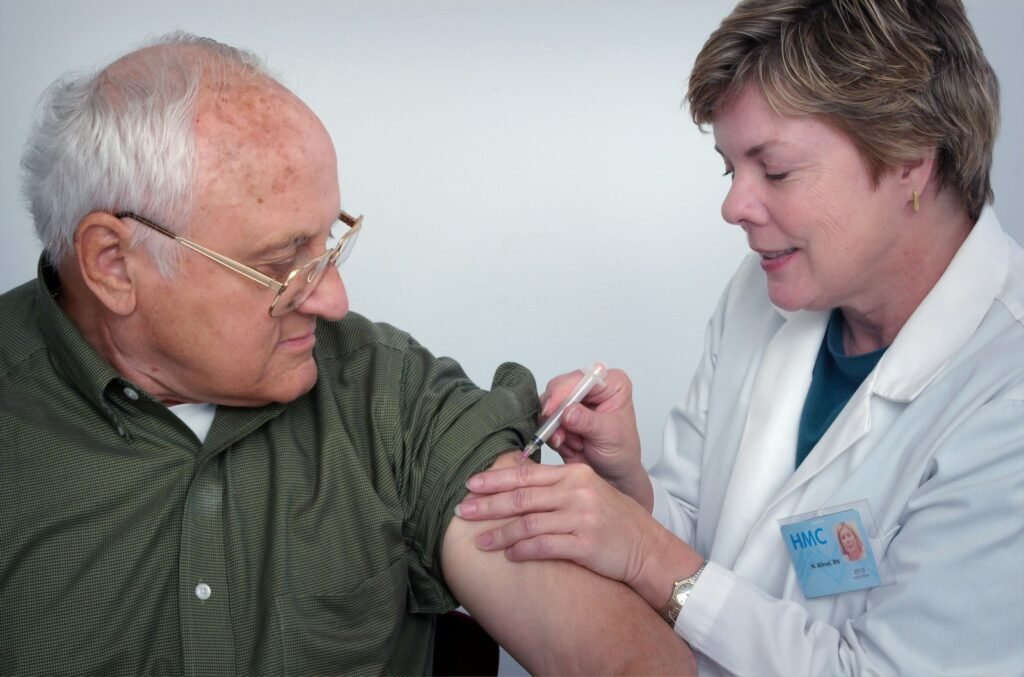
North Carolina health officials have confirmed the state’s first flu-related death of the 2026-2027 season — an adult over 65 from the central part of the state who died during the first week of October. “This is a sad reminder that flu can be a serious illness and can lead to complications and death,” State Epidemiologist Zack Moore said in the announcement. It’s an early marker in a season that’s shaping up around a mutated strain and a vaccine supply designed specifically to counter it.
An early death doesn’t mean an early surge
It’s worth being precise about what one early death does and doesn’t tell us. North Carolina has issued similar early-season death announcements in each of the past two years, including a 2024-2025 season that ultimately recorded more than 500 flu deaths statewide — a number public health officials are explicit should not be used to predict this season’s toll. Nationally, the CDC’s most recent weekly report, covering the week ending September 26, classified flu activity as low. The more useful indicators going forward, according to state health officials, are emergency department visits and hospitalization trends over the coming weeks, not a single early fatality.
The strain driving this year’s vaccine formula
What is different this year is the dominant strain in circulation: Influenza A(H3N2) subclade K, which the CDC has linked to unusually long epidemics in parts of the Southern Hemisphere and to earlier-than-usual starts in some Northern Hemisphere countries. H3N2-dominant seasons have historically hit older adults hardest, which lines up with North Carolina’s first fatality being in the over-65 group. In response, all three components of the 2026-2027 U.S. flu vaccine were updated, specifically to improve protection against subclade K.
Vaccine supply looks solid this year
On the supply side, there’s genuinely reassuring news. Manufacturers are projecting up to 135 million doses for the U.S. market this season, 27% of them non-egg-based, according to CDC guidance released September 29. The FDA has said it expects an adequate and diverse supply heading into winter. CDC guidance continues to recommend annual vaccination for everyone six months and older without a contraindication, with particular emphasis on adults over 65, who face a higher risk of hospitalization and death in H3N2-predominant years like this one.
What this means for your own flu shot timing
Health officials generally recommend getting a flu shot by the end of October, since it takes about two weeks for full immunity to build and protection can begin fading after several months — timing it too early (say, August) can mean reduced protection by the season’s peak in January or February. Given this season’s updated formula specifically targets the strain already in circulation, there’s little practical reason to delay. Pharmacies and primary care offices across most states already have the updated vaccine in stock.
Beyond the shot itself, the basic prevention playbook hasn’t changed: regular handwashing, staying home from work or school while symptomatic, and covering coughs and sneezes all remain the simplest ways to slow spread within a household or office. For adults over 65 or anyone with a chronic health condition, it’s also worth asking a doctor about antiviral treatments like oseltamivir, which work best when started within the first 48 hours of symptoms.
The bottom line
One early death is a genuine tragedy for one family, not yet a verdict on the whole season — but it is a useful nudge. The strain in circulation this year is a known quantity, the vaccine has been updated specifically to address it, and supply isn’t the bottleneck it’s been in some past years. The practical takeaway for most readers is simple: if you haven’t booked your flu shot yet, this is a reasonable week to do it.
Stocking up on the basics for cold-and-flu season? A reliable digital thermometer and immunity care kit is worth having on hand before symptoms show up.
As an Amazon Associate, TrendScope Daily earns from qualifying purchases made through links in this article.