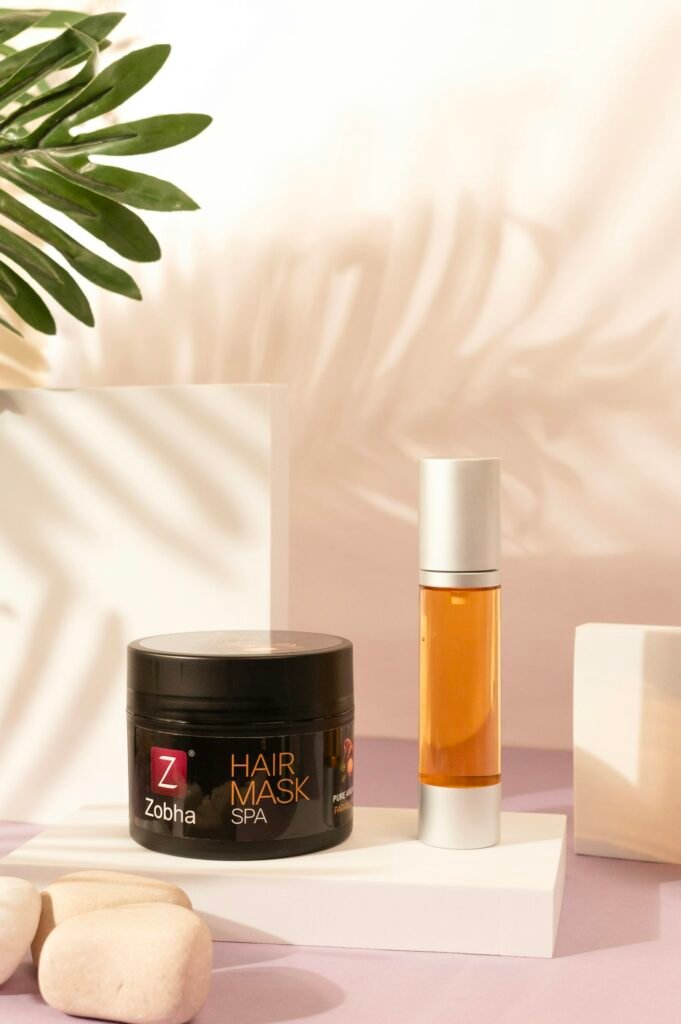
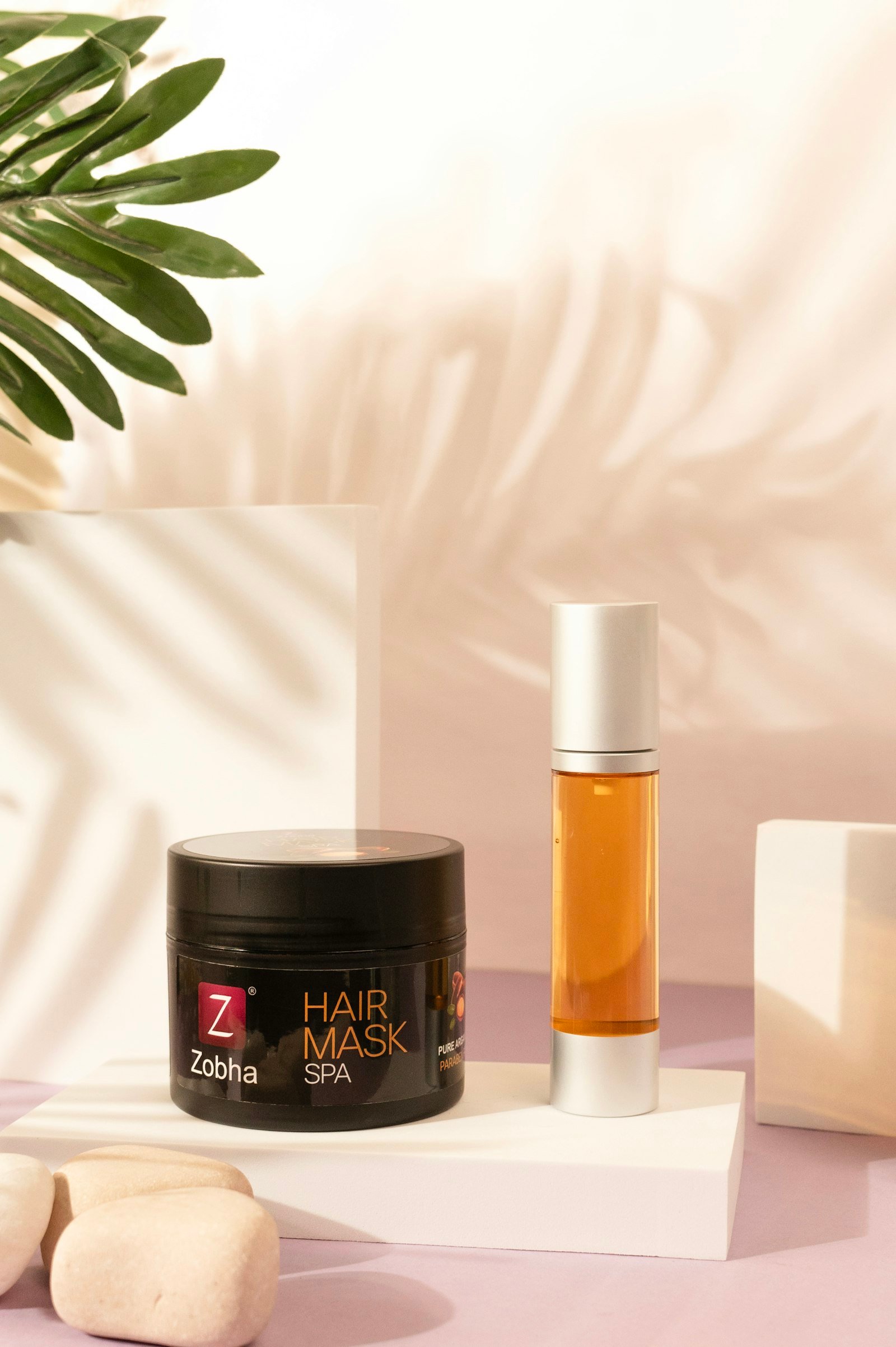
Haircare has had one of its strangest, most lucrative years yet. For most of the last decade, the category moved at the pace of ad campaigns and salon word-of-mouth. In 2026, it moves at the pace of a TikTok algorithm, and the gap between what goes viral and what actually works has narrowed in some genuinely interesting ways. A handful of products didn’t just rack up views — they climbed past category giants that have owned the shelf for a decade, on the strength of ingredient science, dermatologist-adjacent marketing, and, in a few cases, price points low enough to make the whole thing feel like a dare. What ties this year’s breakout hair products together isn’t hype for its own sake. Each one is solving a specific, visible problem — breakage, hair fall, frizz, heat damage — rather than promising a vague “healthier hair” outcome, and the reviews, rankings and repeat-purchase data back that up more than the hashtags alone ever could. Here’s what’s actually behind the eight products driving this year’s haircare conversation, and what’s real versus just well-edited.
1. K18 Biomimetic Hairscience Leave-In Molecular Repair Hair Mask
K18 built its entire reputation on a single claim: that its leave-in treatment can reverse damage at a structural level in about four minutes, with no rinsing required. The brand’s patented K18PEPTIDE is a bioengineered peptide designed to reconnect the polypeptide chains and disulfide bonds inside the hair shaft that get broken by bleaching, color services, chemical treatments and repeated heat styling. Rather than coating the hair with silicones to fake smoothness, the formula is positioned as working from the inside of the strand outward, which is why it’s become the go-to recommendation among colorists dealing with over-processed or bleached hair. It isn’t cheap: the jumbo 100ml size retails for around $120, with a full-size 50ml at roughly $75 and a travel-friendly 15ml mini closer to $29. The virality here has been driven less by dramatic influencer transformations and more by stylists and colorists themselves posting before-and-afters from the chair, which gave the product a credibility bump that’s harder to manufacture than a trending sound. It now regularly sits near the top of Amazon’s hair mask bestseller lists, frequently discussed in the same breath as Olaplex as a baseline bond-repair product rather than a novelty.
2. Karseell Collagen Hair Mask
Karseell is the outlier on this list, and the one worth the most scrutiny. It’s a budget Chinese beauty brand that became a fixture of TikTok Shop almost entirely through creator-affiliate promotion, built around dramatic before-and-after clips of straw-like, over-processed hair turning glassy and smooth after a single treatment. The formula leans on hydrolyzed collagen as a humectant and film-forming agent, maca root essence for amino acids, argan oil for its fatty-acid emollient properties, and dimethicone — a synthetic silicone — to lock moisture against the strand and create the slip that makes hair feel instantly softer. That combination is genuinely effective for surface-level deep conditioning: it restores moisture and perceived elasticity to dry, damaged hair in the way a good drugstore mask would. What it can’t do, despite how some of the viral clips are edited, is permanently fuse split ends or accelerate hair growth — claims that have followed the product online but aren’t supported by its actual ingredient list. Pricing varies wildly by retailer and size, with 500ml tubs showing up anywhere from the high teens to around $30. Its appeal is straightforward: salon-adjacent results, at a fraction of the price of the prestige names on this list, pushed by an algorithm that rewards exactly this kind of visual payoff.
3. Color Wow Dream Coat Supernatural Spray
If you’ve seen the term “glass hair” anywhere on your feed this year, there’s a decent chance Color Wow’s Dream Coat is somewhere behind it. Founded by longtime haircare executive Gail Federici, Color Wow built Dream Coat around a heat-activated polymer system — polysilicone-29 and silicone quaternium-18, blended with glycerin and botanical extracts like chamomile and calendula — that forms a hydrophobic matrix around each strand once it’s blow-dried with brush tension. The practical result is a humidity-proof seal that keeps hair smooth and reflective through three to four washes, which is the specific, durable claim that separates it from a typical anti-frizz serum. It comes in a range of sizes, from a $14 travel bottle to a $63 salon-size 16.9oz, and it carries one of the stronger review profiles on this list, with more than 23,000 ratings averaging 4.7 stars. Celebrity stylist Chris Appleton, who has worked with Kim Kardashian and Jennifer Lopez among others, has an ongoing partnership with the brand, and that association has fed directly into the “glass hair” trend that’s driven millions of views across TikTok, with countless creators using Dream Coat as the finishing step before a blowout.
4. Kérastase Genesis Anti Hair-Fall Serum
Kérastase, L’Oréal’s luxury professional haircare division, timed the Genesis line to a broader shift this year toward treating the scalp the way skincare treats the face — with active ingredients and a clear mechanism, not just a pleasant scent. The anti hair-fall serum centers on Aminexil at 1.5%, an ingredient designed to help hair anchor more solidly into the scalp and prevent collagen from hardening and constricting around the follicle, paired with ginger root extract for environmental protection and caffeine to support scalp micro-circulation, along with niacinamide and vitamin B6. The brand’s own claim is a reduction in hair fall after six weeks of consistent use, which is a slower, less Instagrammable payoff than most of what goes viral — and arguably why its traction has come more from dermatologist and trichologist content than from quick transformation clips. In India, the 90ml bottle retails for roughly ₹5,100, with a smaller 30ml size also available. The formula is silicone-free and dermatologically tested, which has made it a frequent reference point in the growing “hair-fall anxiety” conversation that’s taken over haircare TikTok alongside the usual damage-and-frizz content.
5. Olaplex No.7 Bonding Hair Oil
Olaplex didn’t invent the bond-repair category, but it’s the brand most responsible for turning it into a household phrase, and the No.7 Bonding Oil is its bid to extend that reputation into the styling-product aisle. It’s built as a concentrated, weightless oil meant to work in tandem with the brand’s core bond-building system rather than as a standalone fix, and it carries Olaplex’s most quantified claims of anything on this list: 450°F heat protection, 125% more shine compared to untreated bleached hair, 72 hours of frizz and humidity resistance, and a 77% reduction in breakage after a single use, according to the brand’s own testing. A 30ml full-size bottle runs about $58, with jumbo and travel sizes priced between $32 and $58. Its popularity this year has leaned heavily on Olaplex’s existing credibility — built since the original No.3 Hair Perfector took over salon chairs and TikTok alike starting around 2018 — with the No.7 oil consistently recommended as the finishing step for anyone already running the brand’s bond-building routine, which has kept it near the top of Amazon’s hair oil bestseller rankings.
6. Amika Soulfood Nourishing Hair Mask
Amika’s Soulfood mask has carved out its own lane by leading with ethics as much as results. The formula is built around jojoba seed oil, prized for its fatty acids, antioxidants and vitamins that help soften and moisturize strands, and sea buckthorn, an omega-rich superfruit extract that restores lipids to the hair to improve shine and manageability. Amika backs the mask with clinical claims of 11.4 times more moisturized hair and 91% more manageable hair after a single use, and markets it as effective across a wide range of textures, from straight hair through tightly coiled 4c curls. It retails for around $36 and is Leaping Bunny-certified cruelty-free, fully vegan, and free of parabens, sulfates and phthalates, with recycled packaging across most of its sizes — Amika is also a certified B Corporation and Climate Neutral company. That combination has made it a favorite with a specific kind of shopper: people who want a mask that performs on dry or damaged hair but are also actively checking the back-of-bottle ingredient list and the brand’s sustainability credentials before they buy, a segment that’s grown fast enough this year to turn Soulfood into one of the most-discussed masks in the curly and textured hair community specifically.
7. Redken Acidic Bonding Concentrate Shampoo
Redken, another L’Oréal professional brand, rode this year’s “pH-correcting” wave — essentially the hair-care version of skincare’s obsession with acids and barrier repair — with its Acidic Bonding Concentrate line. The shampoo is built around citric acid, an alpha hydroxy acid, combined with the brand’s Bonding Care Complex, which the brand says works at a molecular level to penetrate the cuticle, capture metal ions, and reinforce weakened bonds, all while rebalancing hair’s natural pH rather than stripping it the way a standard sulfate shampoo can. Redken’s own testing claims include a 56% reduction in breakage, hair that’s twice as strong, and an 82% visible reduction in split ends, with the formula kept sulfate- and paraben-free. It’s sold across a wide size range, from a $15 travel bottle up to a $71 one-liter salon size, with the standard 300ml bottle running about $37. Much of its traction has come from hairstylists themselves explaining the pH-balancing mechanism on camera — a more technical, almost skincare-chemist style of content that’s become one of this year’s bigger subgenres on haircare TikTok, and one Redken has leaned into deliberately.
8. ghd Duet Style 2-in-1 Hot Air Styler
The styling-tool arms race that Dyson’s Airwrap kicked off a few years ago found its 2026 answer in ghd’s Duet Style, a hot-air styler built around what the brand calls Air-fusion technology — internal aerodynamics combined with four low-temperature heated styling plates designed to dry and style hair in a single pass, cutting out the separate blow-dry-then-flat-iron routine entirely. For hair that’s already dry, it switches into a Shine Shot mode that runs the plates at 365°F without airflow, functioning as a conventional flat iron for a glassier finish. ghd’s own testing claims no heat damage after 100 drying cycles compared with air-drying, up to twice the shine and 42% more humidity resistance in Shine Shot mode, and roughly 30% lower energy use than a traditional hair dryer. It’s a genuine investment at a full price of $429, though it’s frequently discounted to around $210 during sale periods. The #ghd hashtag has become one of the biggest recurring threads in haircare TikTok this year, largely because the tool addresses a real frustration — the time and heat exposure of doing a full blowout and flat-iron routine separately — rather than promising a result that sounds too good to be measurable.
The Bottom Line
Lay these eight side by side and a pattern emerges that says more about where haircare is headed than any single product does. The winners this year aren’t the ones with the biggest marketing budgets or the vaguest “transform your hair” promises — they’re the ones that picked one specific, visible problem and built a mechanism around it: K18 and Olaplex going after structural bond damage, Redken going after pH imbalance, Kérastase going after hair fall at the follicle, Color Wow going after humidity and frizz with a literal chemical seal, Amika leaning into clinical moisture data and sustainability credentials, ghd cutting a two-step styling routine down to one, and even Karseell, for all the skepticism its marketing deserves, succeeding because its ingredient list genuinely does what a deep-conditioning mask is supposed to do. None of that guarantees any of these will still be the product everyone’s talking about a year from now — virality is fickle, and TikTok Shop in particular has a short attention span for even its biggest hits. But the fact that most of these claims hold up reasonably well under scrutiny is, itself, a shift from the influencer-marketing haircare era that came before it. For now, at least, the hype and the ingredient panel are mostly telling the same story.
As an Amazon Associate, TrendScope earns from qualifying purchases made through links in this article.