Wellness & Lifestyle
By TrendScope Daily Team · November 14, 2026
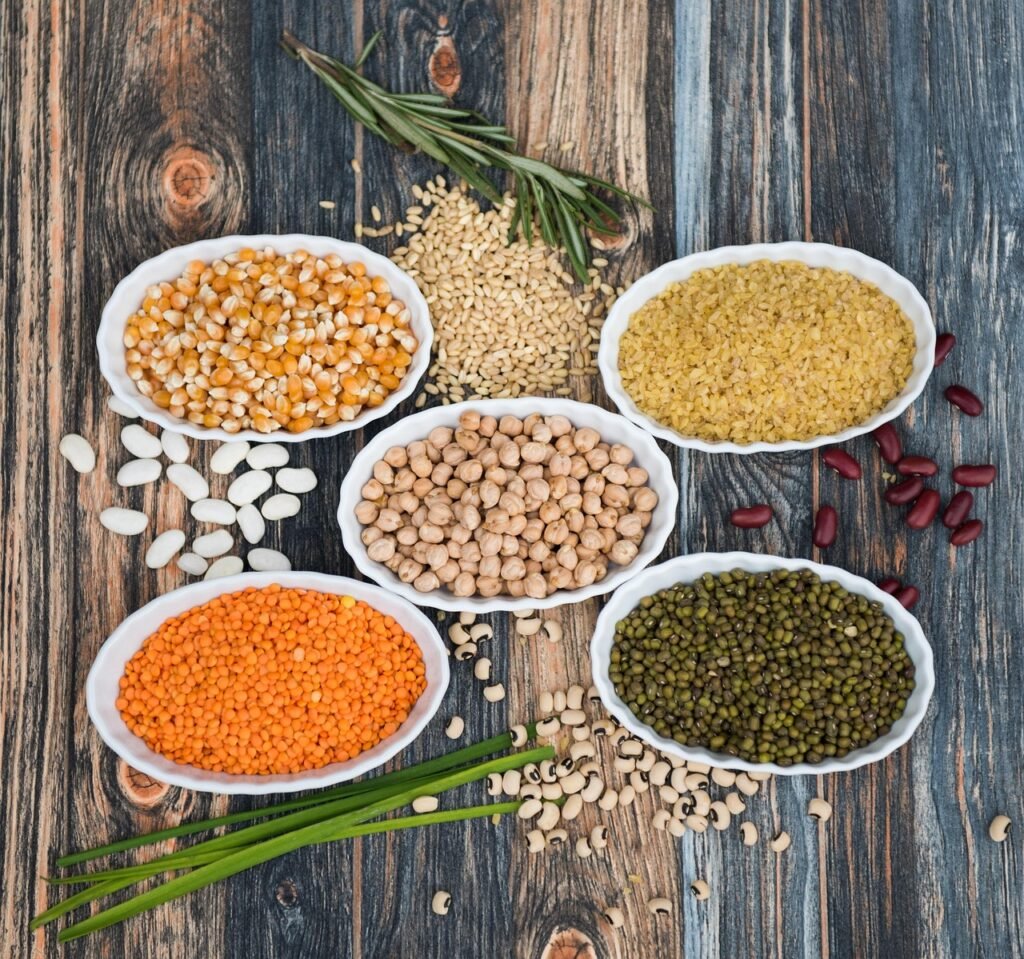
Fibremaxxing is the deliberate push to eat more fibre — through whole grains, lentils, fruits, vegetables, nuts and seeds — after years of Indian wellness culture obsessing almost entirely over protein. Dietitians describe it less as a diet and more as a return to whole-food eating, and the numbers suggest most urban Indians have real room to catch up: most people fall well short of the 25 to 35 grams of fibre a day that nutrition experts recommend.
Why Fibre, and Why Now
For the past few years, Indian food and supplement marketing has been dominated by protein — protein bars, protein shakes, protein-fortified everything. Fibremaxxing is being framed as the quieter corrective. According to NielsenIQ’s 2025 India Food Transparency Report, 67% of Indian consumers now say they prioritise fibre content and ingredient clarity over calorie counts when choosing what to eat — a meaningful shift from a culture of calorie-counting and macro-chasing towards paying attention to what food actually contains.
“More isn’t always better”
— Dr. Durga Tak, Chief Dietician, Kailash Hospital, on why fibre intake should increase gradually
How Much Fibre Do You Actually Need?
Dietitians quoted across Indian publications put the daily target at roughly 25 to 38 grams, varying slightly by body size and sex — broadly around 30 to 38 grams for men and 21 to 30 grams for women. Dr. Pratyaksha Bhardwaj, a dietitian frequently quoted on the trend, says most urban Indians consume far less than this, largely because refined grains, polished rice, and low-fibre packaged snacks have displaced whole grains and legumes in everyday meals.
Common High-Fibre Foods
| Food | Approx. fibre per 100g | Easy way to add it |
|---|---|---|
| Lentils (dal), cooked | ~8g | A daily bowl of dal is one of the easiest wins |
| Chickpeas (chana), cooked | ~7-8g | Roasted chana as a snack instead of chips |
| Whole wheat / millets (bajra, ragi) | ~10-12g | Swap refined atta for whole-grain or millet flour |
| Guava | ~5g | Easy seasonal fruit swap for a low-fibre snack |
| Almonds | ~12g | A small handful, not a full bowl |
| Oats | ~10g | Breakfast swap for refined cereal or white bread |
Benefits and the Catch
Dietitians link adequate fibre intake to better digestion and bowel regularity, steadier blood sugar and fewer sugar cravings, and support for healthy cholesterol levels. A widely cited global nutrition analysis has associated fibre-rich diets with 20 to 30% lower relative risk of heart disease, obesity and diabetes — an association, not proof that fibre alone causes the difference, since people who eat more fibre also tend to eat less processed food overall.
The catch, which most dietitians are careful to flag, is speed. Ramping up fibre intake suddenly, without also increasing water intake, commonly causes bloating and digestive discomfort. The advice across the board is to add fibre gradually, in the range of 3 to 5 grams a day at a time, drink enough water, and mix soluble fibre (oats, fruits) with insoluble fibre (whole grains, vegetable skins) rather than loading up on just one type.
A simple way to start is swapping one packaged snack a day for a whole-food one — a roasted chana and seed snack mix travels well and adds fibre without requiring any cooking.
This article is for general information and is not medical advice. Please consult a qualified doctor about your own health.
Quick questions
What is fibremaxxing?
Fibremaxxing is a wellness trend focused on deliberately increasing daily fibre intake through whole foods like lentils, whole grains, fruits, vegetables, nuts and seeds, rather than relying on protein or supplements.
How much fibre should I eat per day?
Most dietitians recommend roughly 25 to 38 grams of fibre a day, varying by body size and sex, with many urban Indians currently falling short of this target.
Can eating too much fibre too fast cause problems?
Yes. Increasing fibre intake suddenly without enough water can cause bloating and digestive discomfort. Experts recommend raising intake gradually, by about 3 to 5 grams a day at a time.
Related on TrendScope Daily
- How Much Protein Do You Actually Need? ICMR’s Numbers
- Is an Ice Bath Safe? Cold Plunge Benefits and Risks
- Gen Z’s ‘Winter Arc’ Self-Improvement Trend, Explained
- More Wellness & Lifestyle stories: browse the Wellness & Lifestyle section
- Today’s full roundup: Trending Today in India: November 14, 2026
As an Amazon Associate, TrendScope Daily earns from qualifying purchases made through links in this article.