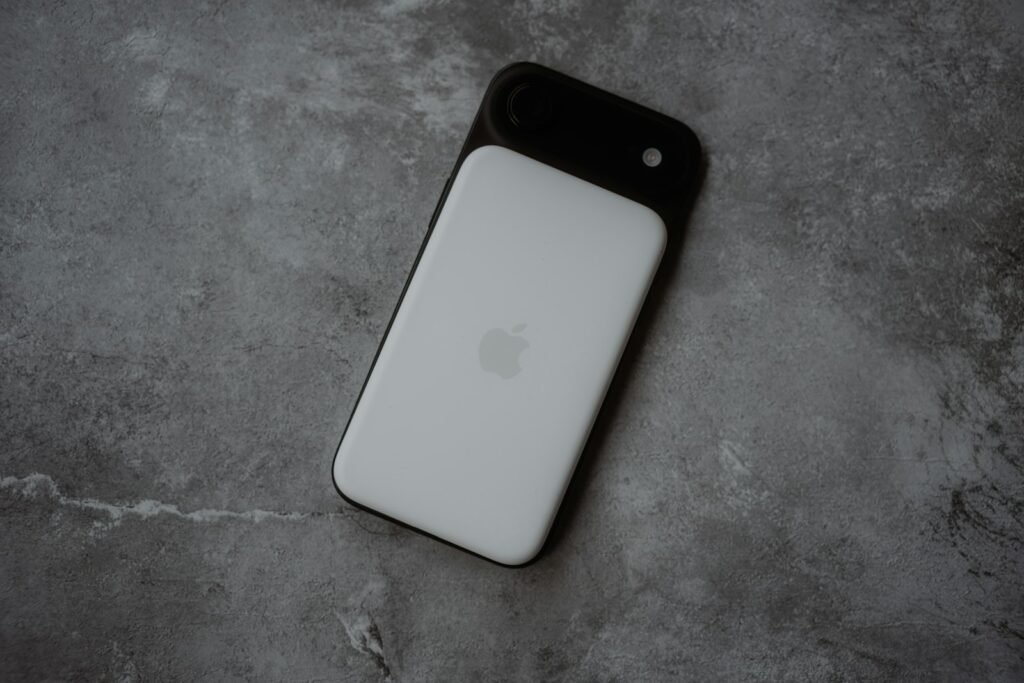
Apple’s iPhone 18 Pro is barely a month old, and suppliers are already being told to slow down. Nikkei Asia reported on October 9 that Apple cut component orders for the iPhone 18 Pro by roughly 15 to 20 percent for October, citing weaker-than-expected demand. Apple shares fell more than 2.5 percent in early trading the same day. It’s a familiar October ritual — production-cut rumors show up almost every year around this time — but this year’s version comes with an unusually specific explanation, and a second Apple launch just eight days away that may be the real story.
What Nikkei Asia actually reported
According to the report, Apple told suppliers to reduce iPhone 18 Pro component orders for October by at least 15 percent, with some estimates putting the cut closer to 20 percent. The stated reason wasn’t a defect or a delayed part — it was simply softer sell-through than Apple had planned for. That’s a notable shift from the iPhone 17 Pro cycle a year earlier, when Apple reportedly asked suppliers to build more units, not fewer, after early demand ran hot.
Markets reacted the way they usually do to this kind of headline: Apple stock dipped on the news before partially recovering later in the session. Nikkei Asia’s report didn’t include a comment from Apple, which, as always, declines to discuss unannounced sales or supply-chain planning.
A $100 price increase meets a modest upgrade
The report points to a specific culprit: price. Apple raised the starting price of the iPhone 18 Pro by $100 over its predecessor, a bump it attributed to higher memory and storage chip costs across the industry — the same AI-driven memory crunch that’s been squeezing PC and server makers all year. Higher storage tiers on the 18 Pro cost more than they ever have.
That price increase lands on a phone that, by most accounts, isn’t a dramatic leap over the iPhone 17 Pro. The core design, chip generation, and camera hardware carried over largely intact, which is typically the recipe for a slower upgrade cycle — buyers skip a year when the case for upgrading is thin, especially when the price just went up. Apple’s cheaper, more aggressively upgraded iPhone models aren’t due until next year, leaving the Pro tier to absorb the cost increase on its own this cycle.
The iPhone Duo is eight days from preorders
Here’s the detail that’s easy to miss in the stock-dip headlines: Apple’s first foldable phone, the iPhone Duo, opens preorders on October 16 at 5 a.m. Pacific Time, with phones shipping October 23 in the U.S. and dozens of other markets. Pricing starts at $1,999 for 256GB and climbs to $2,199 for 512GB, $2,599 for 1TB, and $3,199 for the top 2TB configuration, in Star White or Night Sky finishes. It’s a book-style design with a 5.4-inch outer display and a 7.6-inch inner display, a matte nano-texture finish meant to cut down on glare and crease visibility, and a 48-megapixel Fusion Main camera paired with a 48-megapixel Ultra Wide lens on the back.
That timing matters because the iPhone Duo reportedly shares its processor, memory, and storage modules with the iPhone 18 Pro — the exact components named in the order-cut report. Shaving 15 to 20 percent off Pro production frees up those same parts right as Apple needs supply for a brand-new, higher-margin device that’s already supply-constrained before launch. Apple hasn’t confirmed that reallocation in so many words, but the overlap in components, and the timing, is hard to ignore.
Apple has run this play before
Production-cut reports are close to an annual tradition at Apple, and they rarely tell the whole story. In October 2017, a similar report claimed Apple had cut iPhone 8 production by as much as 50 percent after a major carrier described early sales as “anemic.” The iPhone 8 started at $699. A week later, Apple launched the iPhone X at $999 with a dramatically overhauled design — and the X went on to become one of the best-selling phones of that holiday quarter, while the 8 quietly became the phone nobody talked about. The pattern repeats often enough that Wall Street has learned to treat these October headlines as noise until Apple’s quarterly earnings call actually shows the damage, or doesn’t.
The bottom line
Taken alone, a 15-to-20 percent order cut on a $100-pricier phone with an incremental upgrade is a straightforward demand story: pay more, get less reason to buy, some buyers wait. Taken alongside a foldable phone sharing the same supply-constrained components and opening preorders in a little over a week, it starts to look like Apple quietly reallocating its most expensive manufacturing capacity toward the product it expects to sell out first. Apple’s fiscal Q4 earnings call, typically held in late October or early November, should make clear which read is closer to right — and whether the iPhone 18 Pro cools off for good or simply gets crowded out by its flashier new sibling for a few weeks.
For now, anyone holding onto an iPhone 17 Pro and weighing the upgrade might find this an easy year to wait — or to protect what they’ve already got. A solid iPhone 18 Pro case is a cheap insurance policy either way, whether you’re buying new this week or riding out the current model a little longer.
As an Amazon Associate, TrendScope Daily earns from qualifying purchases made through links in this article.