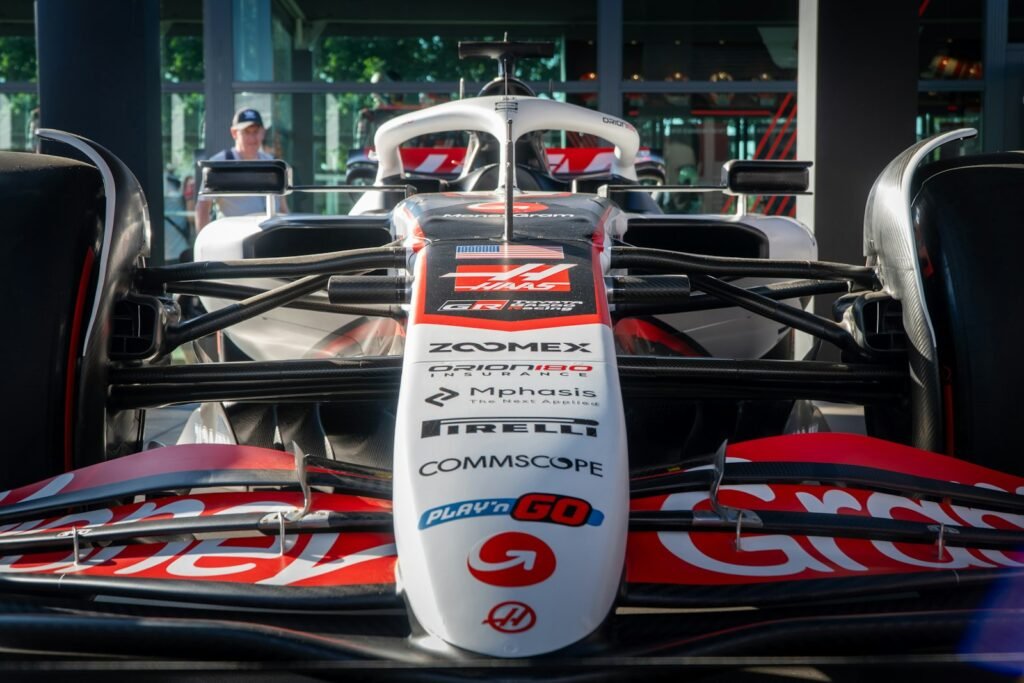
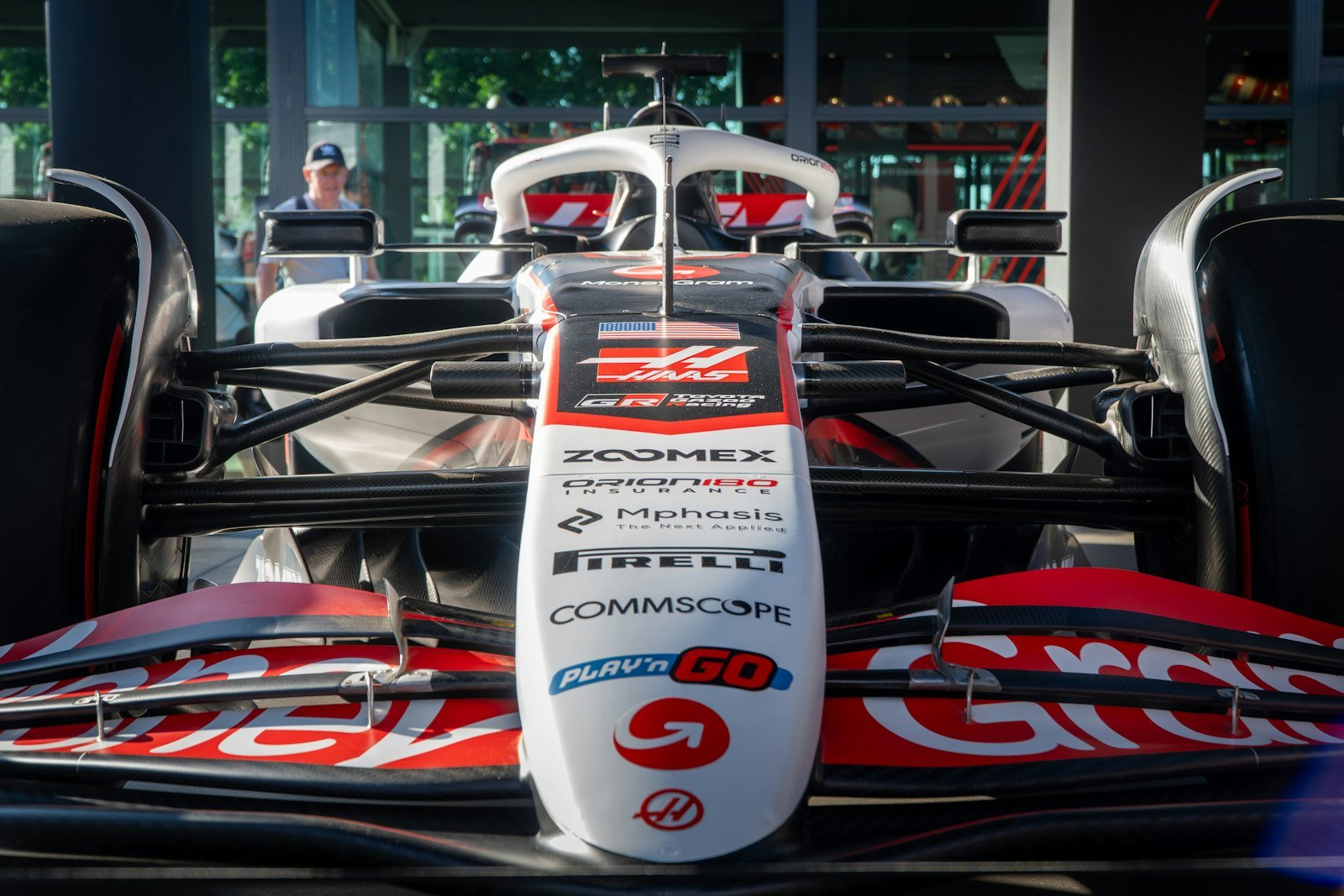
Formula 1 didn’t tweak its rulebook for 2026 — it rebuilt the car from the ground up, in the sport’s biggest regulation overhaul in years.
The power unit is now a 50-50 split. The new hybrid engines draw half their power from electrical systems and half from combustion, running on Advanced Sustainable Fuels. Drivers harvest energy through braking, partial throttle, and a new “lift-off regeneration” technique, and can deploy it manually through a new Boost Button for attacking or defending on track.
Active aero is here full-time. For the first time in F1 history, wings physically change shape mid-lap — a “Straight Mode” that opens up for low drag on the straights, and a “Corner Mode” that closes for maximum downforce through corners.
DRS is gone, replaced by Overtake Mode. Instead of a driver-activated rear wing flap, any car within one second of a rival now gets an extra 0.5 megajoules of electrical energy and higher power deployment for the following lap — a more dynamic, less binary version of the old overtaking aid.
The cars themselves shrank. Wheelbase is down 200mm to 3.4 meters, the floor is 100mm narrower at 1.9 meters, tires are narrower front and rear, and minimum weight dropped from 800kg to 768kg. Simplified front wings and reshaped bargeboards are designed to cut the turbulent air that’s made following another car so difficult for the past decade.
The bottom line: this is the most fundamental reset of what an F1 car is and does since the hybrid era began in 2014 — and every team started 2026 from a blank sheet of paper, which is exactly why the season has been so unpredictable.
Sources: Formula1.com — The Beginner’s Guide to the 2026 Regulations
—