Medicine & Healthcare
By TrendScope Daily Team · Last updated November 22, 2026
A new cancer diagnosis almost always comes with one of three treatment words — chemotherapy, radiation therapy or immunotherapy — and often more than one at once. They are not interchangeable, and they do not work the same way inside the body. Here is what actually separates them, in plain language, and why doctors often combine two or three of them for the same patient.
Chemotherapy: drugs that attack fast-dividing cells
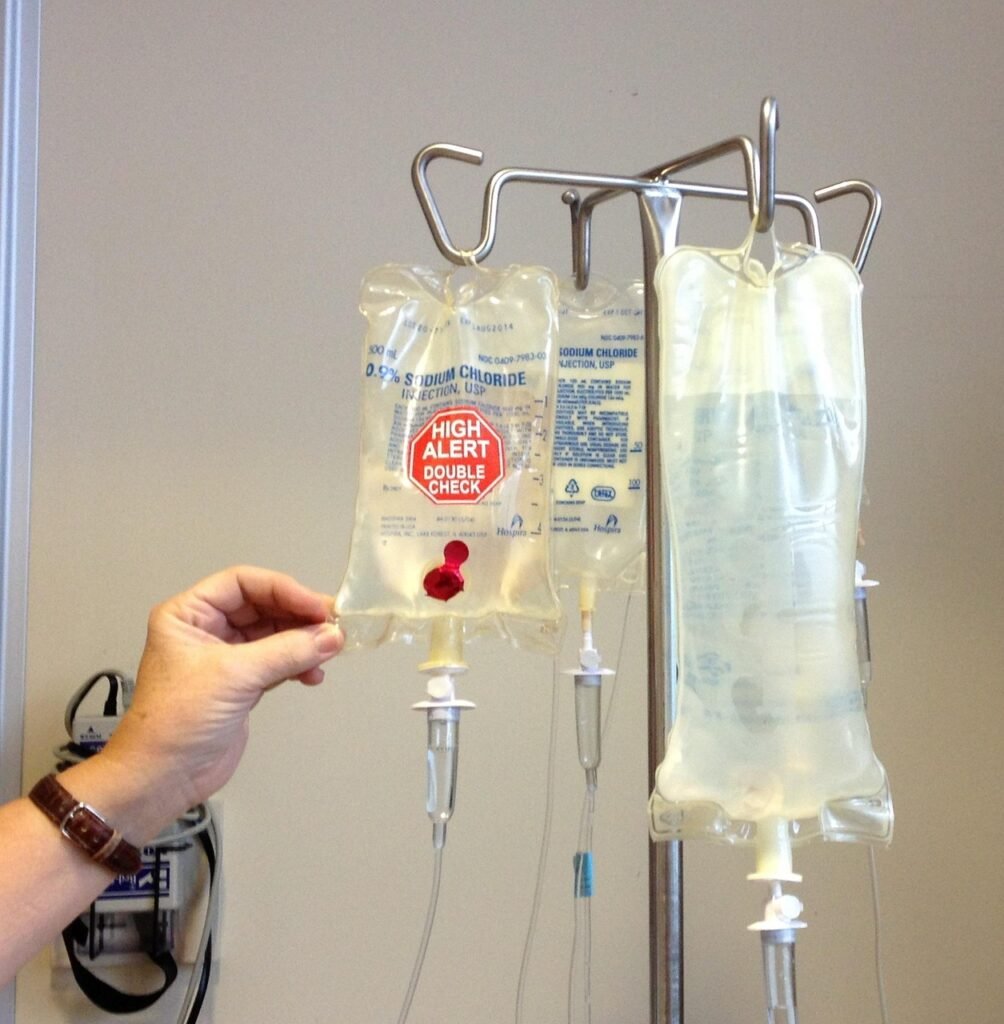
Chemotherapy uses drugs, usually given through an IV drip or as tablets, that travel through the bloodstream and target cells that divide quickly — which cancer cells typically do. Because some healthy cells also divide fast (hair follicles, the lining of the gut, bone marrow), chemotherapy affects them too, which is why hair loss, nausea and a drop in blood counts are such well-known side effects.
Because it travels through the whole body, chemotherapy is described as a systemic treatment — it can reach cancer cells that have spread far from the original tumour, which makes it useful for cancers that have metastasised, or as a safety net after surgery to catch any stray cells surgery couldn’t remove.
Radiation therapy: high-energy beams aimed at one spot
Radiation therapy uses high-energy beams (most often X-rays) aimed precisely at a tumour to damage the DNA inside cancer cells so they stop dividing and die. Unlike chemotherapy, radiation is a local treatment — it treats the specific area it’s aimed at, not the whole body, which generally means fewer whole-body side effects but more localised ones (skin irritation, fatigue, or effects specific to whichever organ sits in the treatment path).
Radiation is often used either to shrink a tumour before surgery, to destroy any remaining cancer cells after surgery, or on its own for cancers that are hard to operate on. Modern radiation planning uses detailed imaging to target the tumour as precisely as possible while sparing surrounding healthy tissue.
Immunotherapy: training the immune system to do the work
Immunotherapy takes a fundamentally different approach: instead of attacking cancer cells directly, it helps a patient’s own immune system recognise and destroy them. Cancer cells are often able to hide from immune cells or blunt their response, and immunotherapy drugs work by removing that camouflage or releasing the immune system’s natural “brakes.”
The American Cancer Society describes several types in use today, including monoclonal antibodies (lab-made proteins that target specific markers on cancer cells), immune checkpoint inhibitors (which release the immune system’s brakes), CAR T-cell therapy (which modifies a patient’s own immune cells to better target cancer), and cancer vaccines that trigger an immune response. Like chemotherapy, most immunotherapy drugs are systemic, travelling through the bloodstream.
“Cancer cells sometimes find ways to avoid being recognized and attacked by the immune system. Immunotherapy can help the immune system better recognize and attack cancer cells.”
— American Cancer Society, on how immunotherapy works
Because immunotherapy works through the immune system rather than directly poisoning cells, its side effects look different too — rash, flu-like symptoms, thyroid changes, and in some cases inflammation of healthy organs the immune system mistakenly attacks. These can appear during treatment or even after it stops, which is why patients on immunotherapy are monitored closely.
Why doctors often combine them
A single cancer treatment plan frequently uses two or three of these approaches at different stages: radiation or chemotherapy to shrink a tumour before surgery, surgery to remove it, and chemotherapy or immunotherapy afterward to mop up any remaining cells. The fall 2026 wave of US cancer drug approvals covered elsewhere on TrendScope Daily shows this pattern clearly — several of the newest approved treatments pair immunotherapy with chemotherapy or with a second targeted drug, rather than relying on just one approach.
| Treatment | How it works | Reach | Common side effects |
|---|---|---|---|
| Chemotherapy | Drugs attack fast-dividing cells | Whole body (systemic) | Hair loss, nausea, low blood counts |
| Radiation therapy | High-energy beams damage cancer cell DNA | Local (targeted area) | Skin irritation, fatigue, site-specific effects |
| Immunotherapy | Helps the immune system recognise and attack cancer | Whole body (systemic) | Rash, flu-like symptoms, organ inflammation |
This article is for general information and is not medical advice. Please consult a qualified doctor about your own health.
Sources: Treatment mechanisms and immunotherapy types summarised from the American Cancer Society, cross-referenced against general oncology treatment literature.
Quick questions
Is immunotherapy better than chemotherapy?
Neither is universally “better” — they work differently and suit different situations. Many modern treatment plans, including several cancer drugs approved in late 2026, combine immunotherapy with chemotherapy rather than choosing one over the other.
Does radiation therapy hurt?
The treatment itself is painless, similar to getting an X-ray, though it can cause side effects like skin irritation or fatigue in the treated area over the course of treatment.
Can you have chemotherapy, radiation and immunotherapy at the same time?
Yes, treatment plans often combine two or more of these approaches at different stages — for example, radiation to shrink a tumour before surgery, followed by chemotherapy or immunotherapy afterward. The exact sequence depends on cancer type and stage.
Related on TrendScope Daily
- 5 new cancer treatments approved this fall: what they mean
- What is a tumor board? How cancer treatment gets decided
- Ayushman Bharat eligibility: who qualifies and how to apply
- More Medicine & Healthcare stories: browse the Medicine & Healthcare section
- All our health explainers: Health Explained hub
- Today’s full roundup: Trending Today in India: November 22, 2026