Medicine & Healthcare
By TrendScope Daily Team · November 20, 2026
This article is for general information and is not medical advice. Please consult a qualified doctor about your own health.
Yes — India’s drug regulator CDSCO flagged all six strengths of Mounjaro KwikPen, the Eli Lilly injection used for type 2 diabetes and weight management, in its official alert for September 2026, citing assay failures across every dose and sterility failures in two of them. The batches have not been recalled from pharmacies; if you use Mounjaro, the practical step is to note your batch number and check it against CDSCO’s published list, and talk to your doctor if you have any doubts.
What CDSCO’s September Alert Actually Found on Mounjaro
According to CDSCO’s September 2026 drug alert, six Mounjaro KwikPen batches — one for each strength sold in India, from 2.5 mg to 15 mg per 0.6 ml — were listed as Not of Standard Quality (NSQ). Every one of the six entries recorded an assay failure, meaning the actual amount of active drug in the pen did not match the label claim within the allowed range. The 2.5 mg batch additionally failed sterility testing, and the 5 mg batch failed both sterility and a test for related substances (impurities). The alert does not publish the exact numerical results, only the test that each batch failed.
What Mounjaro Is, and Why the Scrutiny Matters
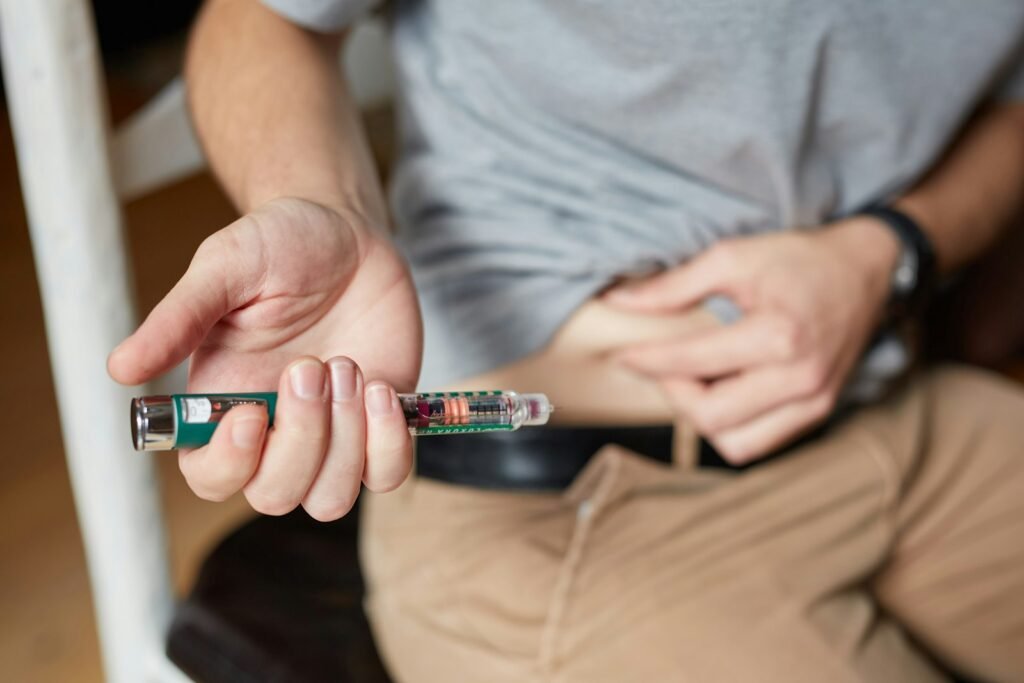
Mounjaro contains tirzepatide, a once-weekly injection that acts on both the GIP and GLP-1 receptors. It was launched in India in March 2025 for type 2 diabetes and weight management in eligible adults, manufactured by Eli Lilly Italy SPA and imported by Eli Lilly and Company (India) Pvt Ltd. It belongs to the same GLP-1 drug family that has driven a wave of demand across India — alongside semaglutide brands covered in TrendScope Daily’s Ozempic & Wegovy price guide and the newer oral semaglutide approval. That surge in demand is exactly why a quality flag on Mounjaro carries more weight than it might for a less-discussed drug: more patients are injecting it, often after paying a premium, and expect consistent potency and sterility in every pen.
The Bigger Picture: 330 Drugs Flagged in One Month
Mounjaro was one entry in a much larger list. CDSCO’s official release, reported by All India Radio News, says 330 drug samples across the country were identified as Not of Standard Quality in September 2026 — 42 picked up by Central Drugs Laboratories and 288 by State Drugs Testing Laboratories. CDSCO was careful to note that the finding is limited to the specific batches tested by government labs and is not a statement about every unit of that medicine on the market. A sample of other products flagged the same month:
| Product | Maker | What Failed |
|---|---|---|
| Mounjaro KwikPen (all 6 doses) | Eli Lilly | Assay (all); sterility in 2.5 mg & 5 mg |
| Ricmox-CV 625 (amoxycillin-clavulanate) | Alexa Pharmaceuticals | Identification & assay; declared spurious |
| Thyrox 25/50/100 (thyroid) | Macleods | Dissolution |
| Baxter Dianeal (peritoneal dialysis solution) | Baxter | Bacterial endotoxin test |
| Goree Cosmetics creams | Goree | Mercury up to 89,733 ppm (limit: 1 ppm); declared spurious |
What “Not of Standard Quality” Actually Means
Not of Standard Quality (NSQ) is a specific legal status under Section 16(1)(a) of the Drugs and Cosmetics Act, 1940: a drug is NSQ if it does not comply with the standards set out in the Act’s Second Schedule. It is a different category from “spurious” (a fake or counterfeit drug) or “misbranded” (wrong or misleading labelling), though a single alert can include examples of all three. In practice, batches are most often flagged for assay failures (wrong amount of active ingredient), dissolution failures (the tablet doesn’t release the drug properly), sterility failures in injectable products, or visible particulate matter and clarity problems. This is a broader, structural issue TrendScope Daily has tracked before — see our earlier look at CDSCO’s warning on common painkillers and antibiotics.
What Patients and Pharmacies Should Actually Do
An NSQ flag is not a market-wide recall order by default, and CDSCO has not announced one for Mounjaro as of this alert. If you or a family member uses Mounjaro, the practical steps are: note the batch number printed on the pen’s carton, compare it against the batch numbers listed in CDSCO’s published state drug alerts, and raise any doubt with your prescribing doctor or pharmacist rather than stopping or changing the dose on your own. Suspected adverse effects from any medicine can be reported through the government’s ADR-PVPI app, which the Indian Pharmacopoeia Commission runs specifically for this purpose. For a plain-language, non-promotional primer on how these metabolic medicines and insulin-signalling drugs actually work, a reader-friendly option is a book such as The Diabetes Code by Dr. Jason Fung, which explains the biology in accessible terms without making treatment claims of its own.
Sources: All India Radio News, “CDSCO Flags 330 Drug Samples as Not of Standard Quality in September 2026”; The South First, “Mounjaro KwikPen Batches Fail Quality Tests in CDSCO’s September Drug Quality Alert”; New Kerala News.
Quick questions
Is Mounjaro banned in India?
No. CDSCO’s alert flags six specific Mounjaro KwikPen batches as Not of Standard Quality; it is not a market withdrawal or ban order for the drug itself.
What does “Not of Standard Quality” mean?
It is a legal classification under Section 16(1)(a) of the Drugs and Cosmetics Act, 1940, for a drug batch that fails to meet the quality specifications in the Act’s Second Schedule, such as assay, dissolution, or sterility tests.
How do I check if my medicine’s batch was flagged?
Compare the batch number on your pack against CDSCO’s published state drug alerts, or ask your pharmacist to check; if in doubt, consult your doctor before stopping or changing any medicine.
Related on TrendScope Daily
- Oral Semaglutide Gets India Nod: Pill vs Injection Explained
- Ozempic & Wegovy Generics in India: 2026 Price Guide
- Can Painkillers Damage Your Kidneys? CDSCO’s Warning
- More Medicine & Healthcare stories: browse the Medicine & Healthcare section
- All our health explainers: Health Explained hub
- Today’s full roundup: Trending Today in India: November 20, 2026
Bottom line
Six Mounjaro batches failing assay and sterility tests in one month is a genuine quality signal worth tracking, but it sits inside a much larger pattern: 330 drug samples flagged NSQ across India in September 2026 alone, from thyroid pills to dialysis fluid. No recall has been ordered for Mounjaro. The sensible response isn’t panic — it’s checking your own batch number and keeping your doctor in the loop.
As an Amazon Associate, TrendScope Daily earns from qualifying purchases made through links in this article.